
You are currently browsing the tag archive for the ‘fiction’ tag.
It’s been a rough week to be the parent of a trans kid and an advocate for the queer community. I told a friend that it feels like you’ve just recovered from a gut punch, caught your breath, and stood back up, when another punch comes straight at you. Of course, this is what it feels like to be just about anyone in the US since January, unless you’re a rich and powerful white cis straight man. If your demographic or your job or your ethnic group or religion hasn’t already been attacked, just wait a few minutes.
I’m trying not to feel like I’m being dragged under the waves, but it’s hard. Thank goodness there are always books! Helping people feel connected with other humans since the invention of the printing press!

To celebrate Pride month, I’m writing about 30 of my favorite LGBTQIA+ authors and books that center queer characters. I’ve been posting on LinkedIn and Facebook, and I shared the first 10 titles here. Now here’s the second installment of 10 more books.
No. 11) Sir Callie and the Knights of Helston by Esme Syses-Smith
I was not expecting to feel so seen by this book. While 12-year-old nonbinary Callie is the main character here, the author does an outstanding job conveying the struggles of Callie’s dad to protect and advocate for his kid (and other queer or outsider kids he encounters) in an exceedingly traditional (read: hostile) environment. Yes, this is a middle grade book, but in many ways I felt like it was written for me.
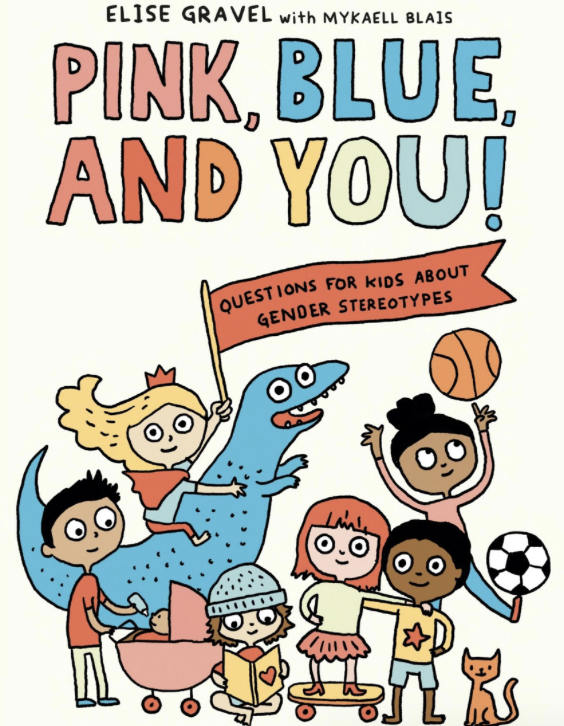
No. 12) Pink, Blue, and You! Questions for Kids about Gender Stereotypes by Elise Gravel – français
https://elisegravel.com/en/
Elise Gravel is one of our favorite authors. She is imaginative, compassionate, and funny, and she explores all kinds of topics in her books. Pink, Blue, and You! examines some of the myths our culture perpetuates about gender and invites readers to decide for themselves what they think about what kind of activities and attributes are appropriate for different kinds of humans.
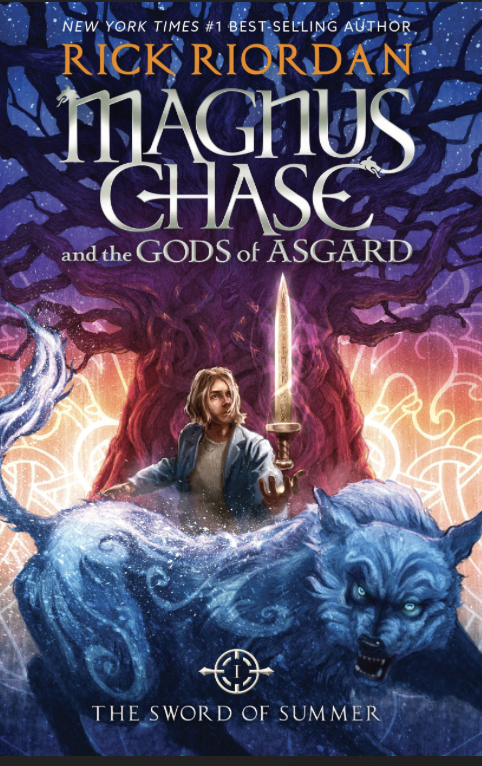
No. 13) The Magnus Chase trilogy by Rick Riordan
https://rickriordan.com/…/magnus-chase-and-the-gods-of…/
God bless Rick Riordan. He’s most famous for the Percy Jackson universe, but he’s written a lot of other books as well. Riordan does a terrific job featuring characters who are diverse in race, ethnicity, socioeconomic status, religion, gender, and other ways without tokenizing these differences. He’s also helped publish a variety of authors whose fantasy series are rooted in lore from around the world.
But right now I’m talking about the Magnus Chase and the Gods of Asgard trilogy, set in the world of Norse mythology. This series includes genderfluid and pansexual characters, and reading the books with my then-eight-year-old helped them find the words to come out as nonbinary.

No. 14) Augusten Burroughs
https://www.augusten.com/about.html
I am in the middle of listening to Augusten Burroughs’ Lust and Wonder, which apparently came out in 2016 but just came to my attention recently. If you haven’t heard of him, I recommend starting with Running with Scissors. Most of his books are memoirs, but his life has been so unusual you might think they’re fiction. I love his honesty and insights and he’s funny as hell.

No. 15) The Heartstopper series
https://aliceoseman.com/heartstopper
Heartstopper started as a web comic that quickly amassed a huge following, the became a series of graphic novels, and then was picked up by Netflix for several wonderful seasons, which are expected to culminate in a feature film this year. The stories are about these teenagers who are so normal and so unique in the way all teenagers are. They have challenges with their parents, or bullies, or self-image, or anxiety, AND they have each other AND they are all figuring out their sexuality and gender identities. The books and the show are incredibly sweet and true and heartbreaking and joyful. I would recommend these to folks who don’t necessarily have LGBTQIA+ kids (that you know of), but would like to (or should) learn more about what it’s like to be a queer kid.
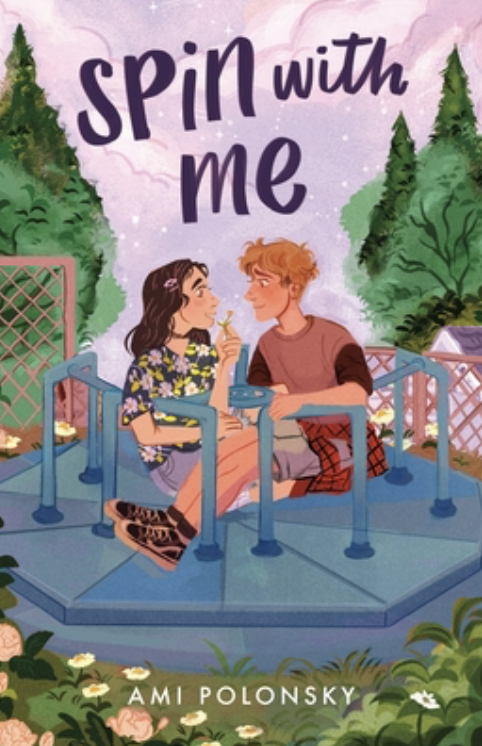
No. 16) Spin with Me by Ami Polonski
A question that isn’t always explored in books about queer identity is what it means when a person who thought they were straight develops romantic feelings for someone who is gender expansive. That’s a central theme in Spin with Me, a beautifully written story featuring a girl who temporarily moves to a new town with her dad and makes a new set of friends. Fun fact, after we finished this book, Niki wrote a message to the author through the author’s website and got a response right away!
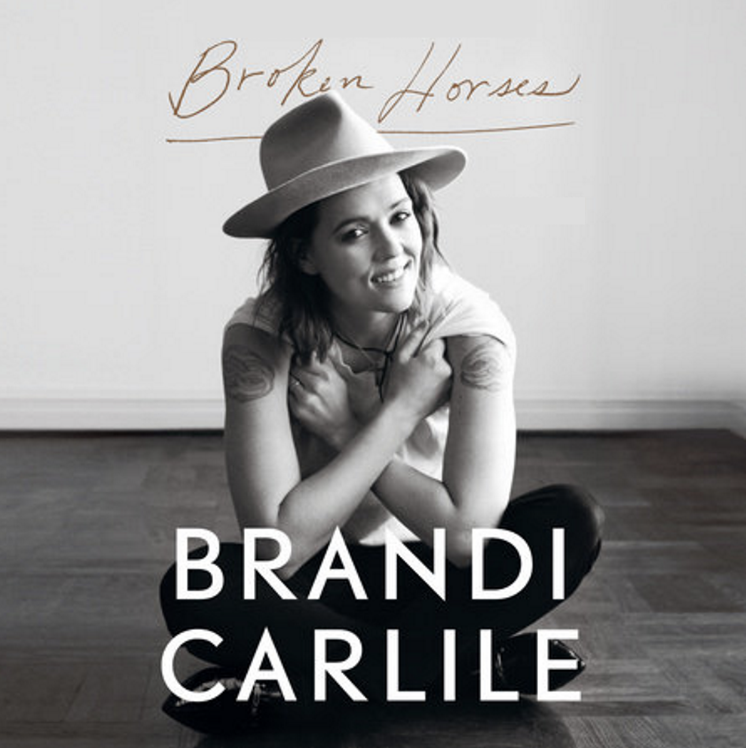
No. 17) Brandi Carlile‘s Broken Horses
https://brokenhorsesbook.com/index.html
Brandi Carlile is one of my favorite artists and someone I think is just a beautiful, brilliant, badass human. She is one of the few musicians who my husband and teenagers and I all equally love. We’ve seen her in concert several times. So if you don’t know her music, listen to it now. Then read her memoir. Better yet, listen to her memoir because she sings throughout it, songs you won’t hear on any album, but that influenced her or meant something important to her at some point in her life. She’s not only a songwriter, but she’s an insightful and talented memoirist as well.

No. 18) Dear Mothman by Robin Gow
My kid recommended this to me a while ago and I just remembered to read it. Dear Mothman pierced my heart in the best possible way. It’s about being a trans kid who feels very alone, then finally seen, and suddenly alone again and the lengths they go to to find acceptance and love. And it’s a novel written in verse, which is always cool. And Robin Gow is a trans author who I’ve just discovered has written several other books which I plan to read immediately.
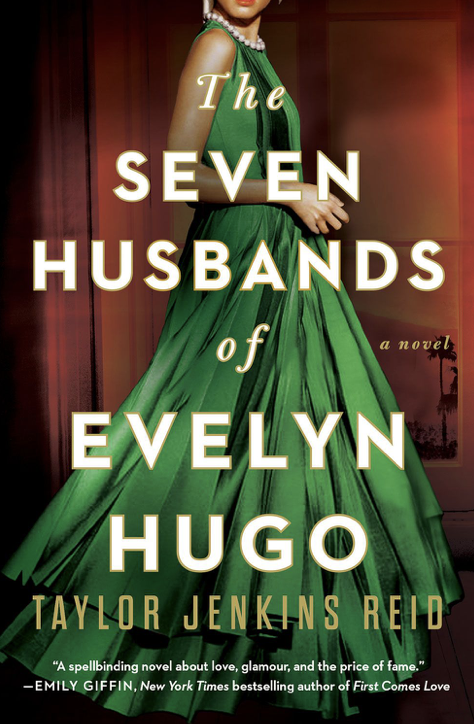
No. 19) Seven Husbands of Evelyn Hugo by Taylor Jenkins Reid
https://taylorjenkinsreid.com/books/the-seven-husbands-of-evelyn-hugo/
While LGBQTIA+ people today certainly don’t have it easy, given the political climate fomenting homophobia and transphobia, coming out as a queer person in 2025 is definitely not as seemingly impossible and dangerous as it once was. This book explores the lengths to which gay people in show business went to keep their private lives secret, and the effect that had on the people they loved.

20) Over the Top by Jonathan Van Ness
https://jonathanvanness.com/books/
I am such a Queer Eye fan that I have the lego set on my desk–a little lego version of JVN is styling the hair of the lego version of their former high school music teacher. I love Jonathan because he always makes people feel good about themselves no matter what, because he’s spent a lifetime learning to feel good about their own identity in the face of negative messages from all fronts. Over the Top is JVN’s first memoir, but he’s also written other books–fiction and nonfiction–for kids and adults about loving yourself just as you are.
Share this:

You know why I post about all these queer books and authors? Because reading builds EMPATHY and UNDERSTANDING. Reading helps us understand the thoughts and ideas and experiences of all kinds of people. Reading fiction achieves this as much or more than reading nonfiction, because it’s more accessible to many readers.
Anyone who questions why they would read about queer people if they’re not queer needs to examine this logic. Humans have been reading about people who are not like them as long as there have been books because humanity is made up of a million flavors of people and it’s a blessing and a gift to be able to learn about and explore the things we have in common and what makes us unique. We gain insights and new perspectives by reading about people from different periods in history, different places, different cultures, different religions…why wouldn’t we read about people with different gender identities and sexualities? The world is populated by billions of extraordinary ordinary people whose lives have meaning and value.
Ideally, we all have the opportunity to get to know lots of kinds of people in real life. But when that’s not possible, there are always books. I urge you, even if you’re not queer or don’t have queer loved ones (that you know of) or don’t have queer kids, read some of the books I’ve recommended. And if you DO know or love kids or adults who are lgbtqia+ please read some books I’ve recommended. Or other books by or about lgbtqia+ people. If you work with children or young people in any capacity, read some of these books. There are a ton of great book lists.
If you want to be an ally, learn more about the people you say you support. That’s a place to start.
Share this:

To celebrate Pride 2025, I’m writing about 30 of my favorite LGBTQIA+ authors and books that center queer characters. Reading builds empathy. Our world could use more.
Here are the first 10 of my 30 recommendations.
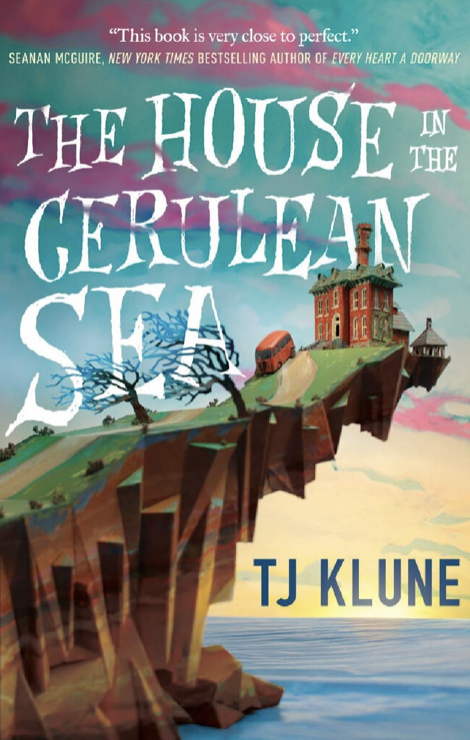
No. 1) TJ Klune https://www.tjklunebooks.com/
TJ Klune possesses a marvelous talent for creating characters–whether they are human or in any number of other fantastical forms–who immediately take up residence in your heart. His books are achingly good and I want to live inside them. I haven’t read all of them (yet) but I especially loved The House in the Cerulean Sea (and its companion) and the Wolfsong series.

No. 2) Becky Albertalli https://www.beckyalbertalli.com/
In a bookstore, you’d find Becky Albertalli’s books in the YA section, but I find that to be a meaningless way to categorize books. Certainly, many young adults like to read about other young adults, but we also encourage kids to read books about fighters in the French Revolution, and enslaved people, and old men in any number of settings. So I think books that happen to feature young adult characters can still appeal to and be relevant to readers of any age. Anyway, I love Becky Albertalli. I’ve read almost all her books (except the two that I just discovered on her website) and they are all compassionate and funny and sweet and teach me something about how to be a good and authentic human in a world that doesn’t always reward those traits.

No. 3) Laurie Frankel https://www.lauriefrankel.net/this-is-how-it-always-is.html
When I read this lovely book about a family whose youngest child expresses at age five that they are transgender, it was a couple years before my own child came out as nonbinary. I was inspired to read it because of other trans kids we knew, and the book proved to be sweet, heartbreaking, thought-provoking, and useful. Of course every individual’s story is unique, but unfortunately many of the challenges that gender-expansive kids face are common. I recommend this to anyone who has a child or was a child.

No. 4) Casey McQuiston https://www.caseymcquiston.com/
My daughter and I had the pleasure of seeing Casey McQuiston interviewed on their One Last Stop book tour by their best friend Sasha Peyton Smith and we’ve been smitten ever since. Casey’s books are smart, hilarious, and steamy and I would love to be friends with Casey in real life.
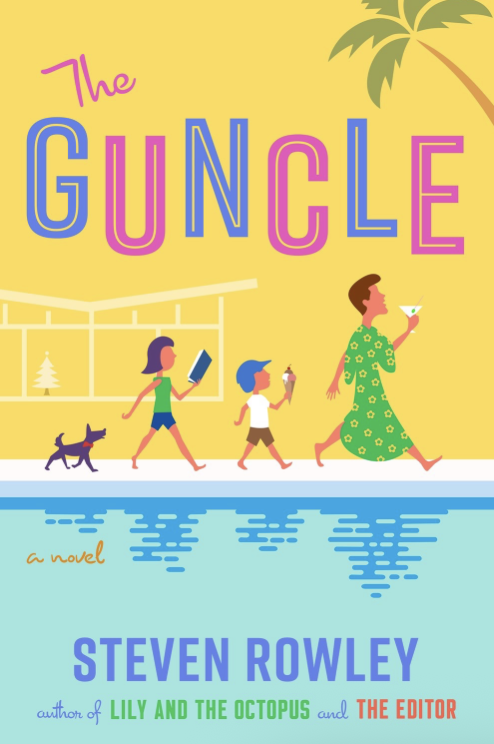
No. 5) Steven Rowley https://www.stevenrowley.com/about
Steven Rowley narrates his own audiobooks in such an engaging and witty way that I expect him to call me on the phone to invite me to brunch at any minute. I adore his writing and his narration and I love how he talks about being gay in the context of family and all kinds of relationships, especially about what it’s like to be a “guncle.”
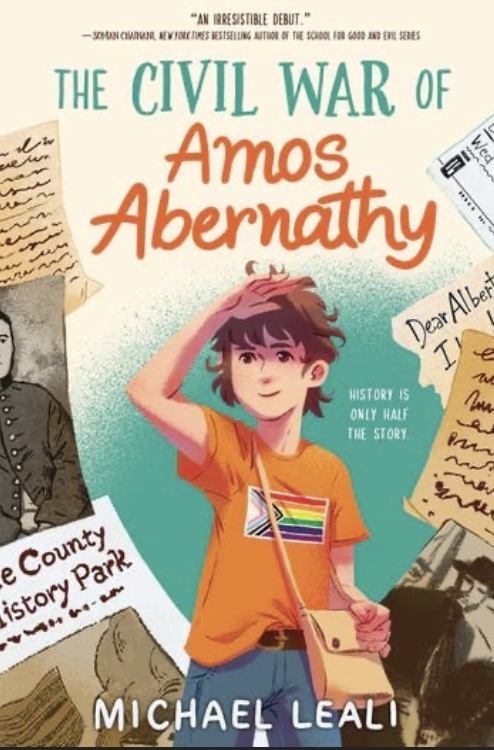
No. 6) The Civil War of Amos Abernathy https://michaelleali.com
I read this with my nonbinary kid and we both learned a lot. I love books where the kids are smart and are willing to dig deep to show the less open-minded adults in the world what’s really true. Amos Abernathy is an openly gay middle-school-aged historical reenactor whose best friend–also a volunteer there–is a young Black woman. They love history but they also want to shine a light on people whose stories aren’t usually told.

No. 7) Freya Marske https://freyamarske.com
I devoured Marske’s Last Binding trilogy, interestingly recommended to me by my Unitarian Universalist minister. I’ll let Alix Harrow explain why: “Mystery! Magic! Murder! Long looks full of yearning! This book is a confection, both marvelous and light.” —Alix E. Harrow, author of The Once and Future Witches

No. 8) Becky Chambers https://www.otherscribbles.com/about
If you asked me to describe my vision for how the world should work, my hope for how all beings would treat each other, and my philosophy about how I want to live my life, I would hand you a stack of Becky Chambers’ books. Start with A Prayer for the Crown-Shy, which you can read in one sitting, but ideally will reread several times. My Unitarian Universalist minister and I created a whole Sunday service about this book and its companion, A Psalm for the Wild-Built. Just thinking again about Chambers’ characters makes me sigh with contentment.

No. 9) Disco Witches of Fire Island
Several years ago I happened to pick up The Sign for Home, a marvelous, fascinating novel about a college student who is DeafBlind and a Jehovah’s Witness, neither of which comes up a lot in books I’ve read. I’d never heard of Blair Fell before or since, until Disco Witches of Fire Island suddenly appeared. It’s the kind of book that you stay up until 2am to finish, which is what I did last night. The disco witches in question are a delightful group of compassionate, intuitive, and colorful friends who’ve made it their mission to protect unsuspecting young gay men from harm, while also caring for each other through the AIDS crisis and beyond. And of course they do it in spectacular style to a pumping soundtrack.

No. 10) The Miseducation of Cameron Post https://www.emilymdanforth.com/mcp
This book is a beautiful affirmation of identity and the struggle to remain authentic in the face of homophobia and hate. While the book was published 13 years ago, unfortunately the battle rages on between people who support and embrace all gender identities and sexualities and believe that each individual knows themself best and should live their truth vs. the small but virulent faction that fears difference and promotes bigotry, discrimination, and intolerance (and joy and the freedom to love).
Share this:

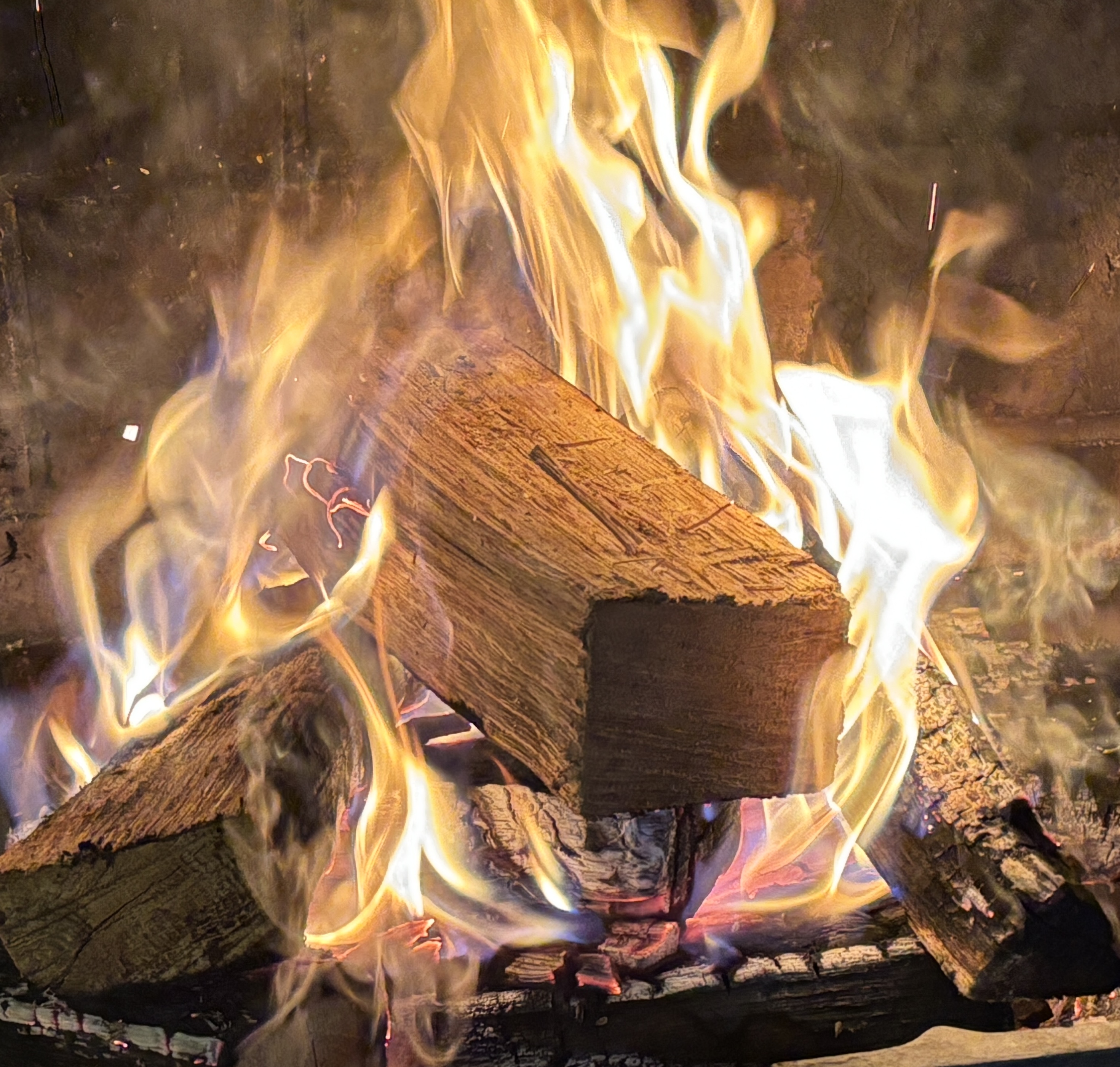
Listening to the fire wondering what exactly makes the sounds. Do flames make noise? Is it the reaction of the wood? Would it sound different if something else were burning? Trying and failing not to think about the devastation of Los Angeles. Wondering why it can be hard to get a fire you’ve built to catch while houses not intended to be burned seem to ignite so easily.
I didn’t know until yesterday what caused the sudden smoke. Every year when I build this fire it will burn respectfully for hours until without warning the room fills with smoke and the alarm blares and I have to open the windows and the door. I’ve just learned that this happened because of a particular piece of wood I’d added, which was not completely dry inside. What I still don’t know is why the dampness leads to smoke, or why one piece of wood stacked on top of another would be harboring remnants of water and not the piece below it or next to it. Is there a way to look at the wood and know what’s inside? Maybe someone who has spent more time with wood could discern it.
There is so much more I don’t know about the fire. How does the configuration of the logs determine the shape of the conflagration? What role does the oxygen play? Why are the ashes white and gray instead of the color of the wood? Why do the remains of a log look black and then collapse into dust when you poke it? How is the grate unaffected? Or does it eventually break down? This one is broken in part, but still solid enough to hold up the firewood. What makes some things burn and not others–like the grate, the screen, the fireplace tools. If a house burns down, do those pieces made of iron survive? If that is true, why don’t we make more of our existences out of iron? Or would it all eventually melt if left too long alone with the flames?
I think of a friend I used to have who always built the fires when we all went together to a cabin in the mountains. He was proud of his Boy Scout roots and seemed to relish the responsibility. I never asked him how he did it and he never stopped to explain and I thought it was some mysterious formula shared among scouts and certain dads and servants from novels about English aristocrats. There’s such an appeal to reading those books although I can never read them without imagining how awkward it would be to have a cadre of people catering to your whims and doing things for you that the rest of us do for ourselves, like getting dressed, and making dinner, and answering the front door. I think of a young woman wearing an unnecessarily frilly uniform making the rounds of every fireplace in the unnecessarily massive mansion every cold, damp morning, and laying out the kindling and the firewood just so, in case a member of the unnecessarily wealthy family decided to entertain themselves or others in that particular room on that particular day. I think about the classes of people whose money and power were passed down from one generation to the next while so many more others worked to make a living, or struggled to find work, or struggled to make a living.
And this is not unlike today, although many of the details have changed and the props and costumes and sets have changed. We still have the absurdly affluent doing whatever it takes to become more affluent and keep the serving class in poverty and with no choice but to serve or starve, or to serve and starve anyway. For centuries the divide and disgust was undisguised. Then in recent decades, discrimination became more discreet. And now, the curtains have been pulled back, but not to reveal sunshine–instead only darkness. The self-appointed wizards shout without shame that they will not tolerate anyone who is different from them–anyone who is not a straight, white, rich, egotistical man with anachronistic ideas. They will not allow anyone else to flourish, to thrive, to own their worth, to revel in their uniqueness, because if the rest of us claim our power and feel free to share our ideas, their power over us will diminish. Their ideas will be challenged. Their selfishness and greed will no longer be unhindered. They are damning the principles that many of us hold up as the ideals of humanity–the importance of including all because everyone deserves to be included and everyone’s contributions are needed, the theoretically democratic notion that all of us are created equal–possessing inherent worth and dignity–and entitled to treatment as such, and the seemingly simple but historically abused concept that our differences–the endless variations in how we look and act and think and communicate and love and live and move in the world–are extraordinary and awe-inspiring and cause for celebration, not condemnation.
The four cardinals perched in the tree outside this window have gone now. Where, I have no idea. What signals the birds to stop their feeding and flitting is unknown to me. I saw those cardinals as my ancestors, keeping watch or imparting a message I couldn’t quite understand today. But they’ve flown, leaving me to turn my focus back to the fire, gratefully absorbing its warmth while I wonder what happens now.

 You Ask a Lot of Questions